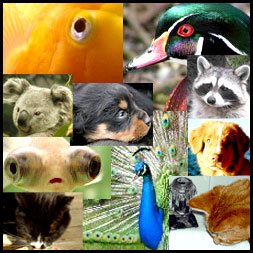
 | Organisms in kingdom animalia consists of eukaryotic cells, meaning that they have membrane-bound organelles and a nucleus surrounded by a membrane. Although they lack a cell wall, the cells are held together by structural proteins. It is believed that animals are monophyletic - they all have a single common ancestor. Animals cannot use the protein, fats, and carbohydrates directly and therefore must digest and break them down into smaller molecules. Animals are heterotrophic. Animals are multicellular; these cells are organized into tissues that are specialized for specific functions. For example, muscle cells and nerve cells are organized into muscle tissue and nervous tissue. This gives animals the ability to move.
Divergent Event Today, scientists have determined that choanoflagellates are the closest living relatives of animals. During the Neoproterozoic era, multicellular eukaryotes known as Ediacaran biota emerged. The Cambrian explosion 565 to 525 million years ago led to the diversification of animals. Three major hypotheses predict the causes of this diversification. (1) The new predator-prey relationships initiated natural selection, generating diversity; (2) the increase in atmospheric oxygen gave more survival opportunities for animals of larger sizes; (3) the evolution of the Hox gene complex allowed developmental flexibility. |
Nine Phyla
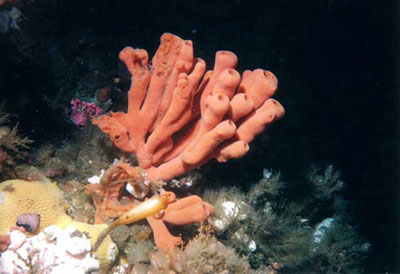
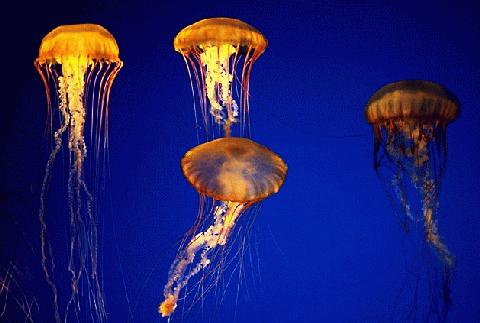
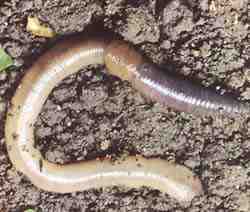
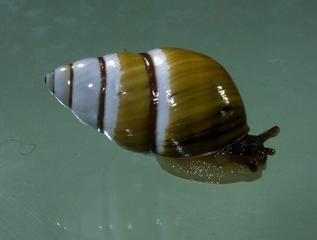
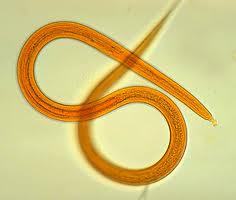
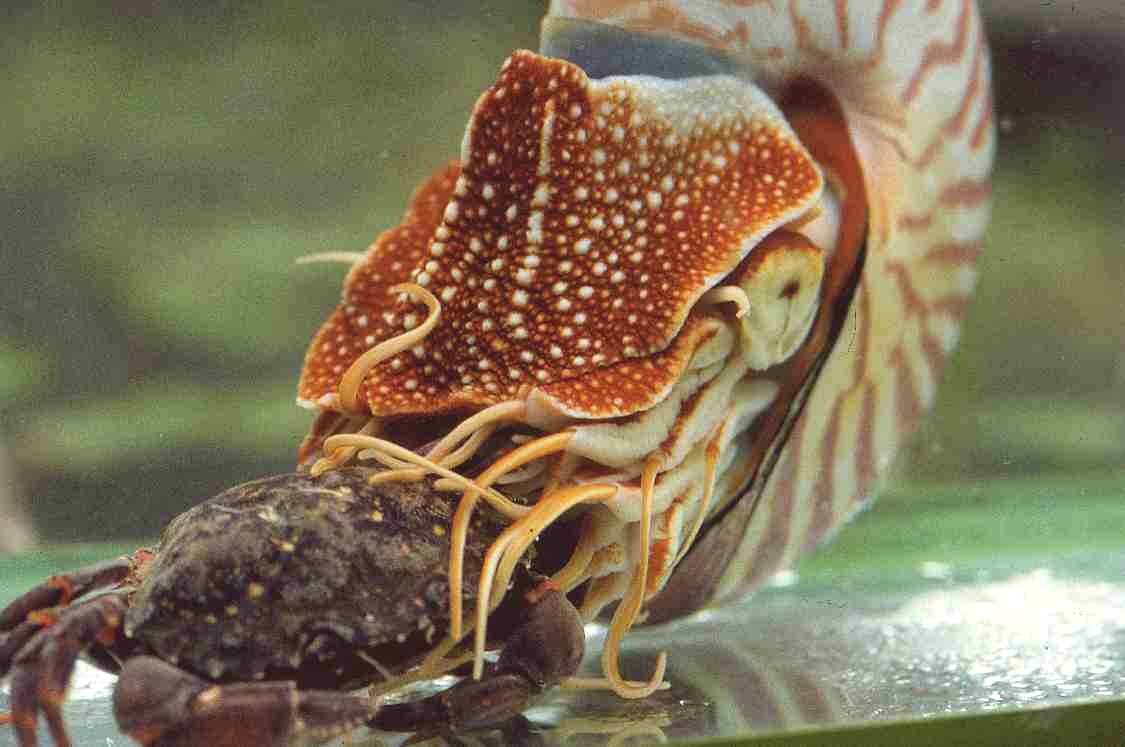
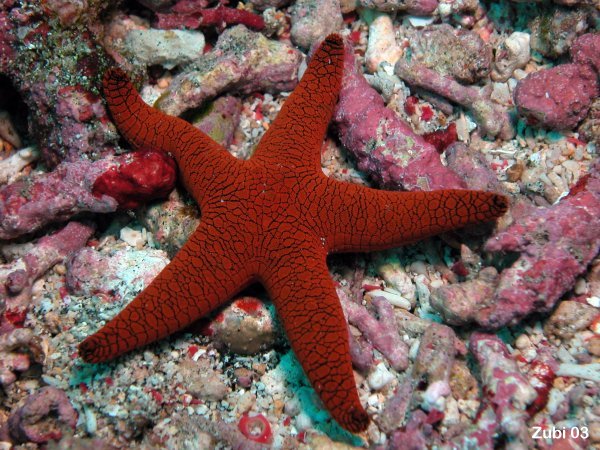
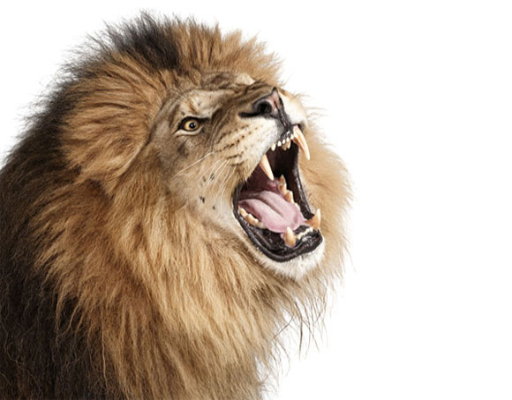
All animals are muticellular. These highly specialized cells are organized into tissues to serve for specific functions.
Animals are unable to make their own food like organisms in kingdom plantae. Therefore, animals must ingest organic molecules by eating living organisms or nonliving organic materials. Animals are heterotrophs. However, they do not feed by absoroption like fungi. Instead, they ingest their food and then use enzymes to digest it within their bodies.
Some animals have a intracellular digestive system while others acquire an extracellular digestive system.
Intracellular Digestion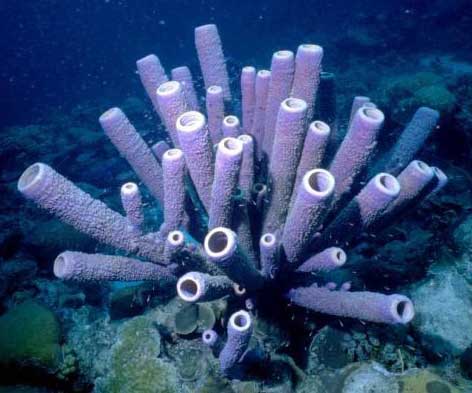 Some organisms of kingdom animalia, such as sponges, go through intracellular digestion. Food particles become trapped in the mucus of the sponges, which are engulfed by phagocytosis. This is either digested or passed to amoebocytes. | Extracellular Digestion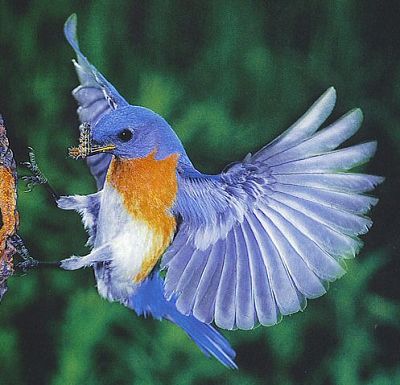 Other animals, such as birds, use extracellular digestion. Three separate chambers in a bird's digestive system (crop, stomach, gizzard) are where the food is broken down. In the intestine, the food is chemically digested and nutrients are absorbed. |
In some mammals, interconnected nerve cells form a nerve net that controls the gastrovascular cavity. Some mammals have a nerve ring, the center of the nervous system, that encircles the esophogus. Ganglion is the group of nerve cel bodies in a centralized nervous system. Many mammals have a brain.
(Please refer to specific phyla/classes to learn about the distinct nervous system in each group.)
Some animals, such as fishes have gills. Other animals have lungs or book lungs to support their breathing.
(Please refer to specific phyla/classes to learn about the distinct respiratory system in each group.)
All animals reproduce sexually. Sperm fertilizes the egg, forming a diploid zygote. The zygote undergoes cleavage - continuous mitotic cell divisions. Next, the zygote enters blastula - the multicellular stage. During gastrulation, one end of the embryo folds inwards, expands, and fills bastocoels. This produces layers of embryonic tissues. Although some animals mature directly into adults, most animals go through the larval stage. Larva is a sexually immature form of the animal. The larva goes through metamorphosis, a developmental transformation that transforms the animal into a juvenile.
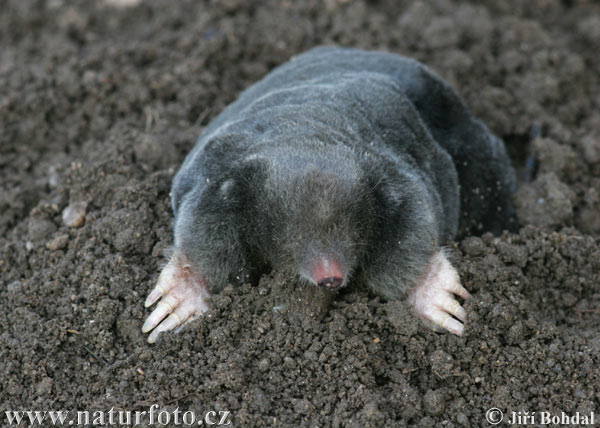 Animalia - Mole | 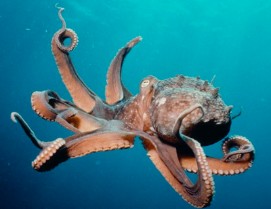 Animalia - Octopus |
Pictures cited:
http://www.animalfair.com/home/?tag=animal-fair
http://www.mbgnet.net/salt/oceans/animals/sponges.htm
http://www.whgmag.com/gardens%20n%20gardening/
http://chrismuir1.wordpress.com/2008/08/29/how-many-arms-does-an-octopus-have/
http://www.naturephoto-cz.com/european-mole:talpa-europaea-photo-1502.html
http://www.palaeos.com/Invertebrates/Porifera/Porifera.htm
http://lindsey.aldridge.com/school/poricnid.html
http://tolweb.org/Nematoda/2472
http://www.columbia.edu/itc/cerc/danoff-burg/invasion_bio/inv_spp_summ/Lumbricus_rubellus.html
http://zollberg.co.cc/mollusca.html
http://biology.unm.edu/ccouncil/Biology_203/Summaries/Protostomes.htm
