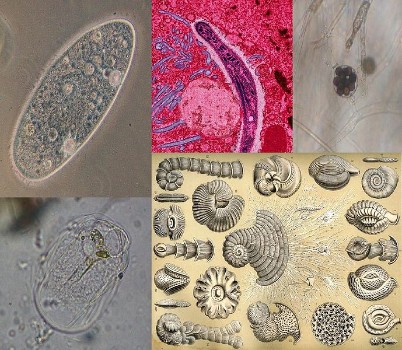
 | Because Kingdom Protista is such a diverse group, there is a large range of characteristics. Many vary in body form, nutritional needs, and reproduction. Protists share both plant and animal characteristics. All protists are eukaryotes - they all acquire membrane-bound organelles in which metabolic processes take place. They also all have a nucleus that contains chromosomes with DNA associated with proteins. Protists are usually single cells or a colony of similar cells. They are polyphyletic, and therefore do not have a single common ancestor. As simple structures without any obvious tissues of organs, protists are motile using pseudopodia, flagella, or cilia. It must also be noted that although "Protista" has been considered a "Kingdom" in the past, it is now discarded as a formal classification. Divergent Event Protista is polyphyletic - there is more than one common ancestor. It is believed that eukaryotes emerged from a prokaryotic ancestr through endosymbiosis. During the primary endosymbiosis, one heterotrophic eukaryote engulfs an additional endosymbiont (cynobacterium). During the second endosymbiosis, the red/green algae were engulfed by other eukaryotes.
|
Six Phyla
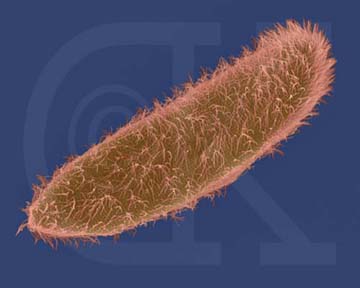
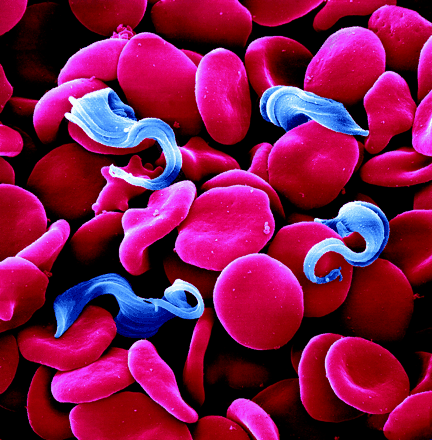
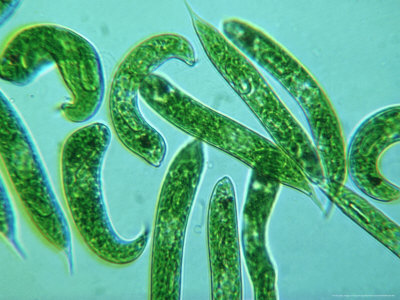
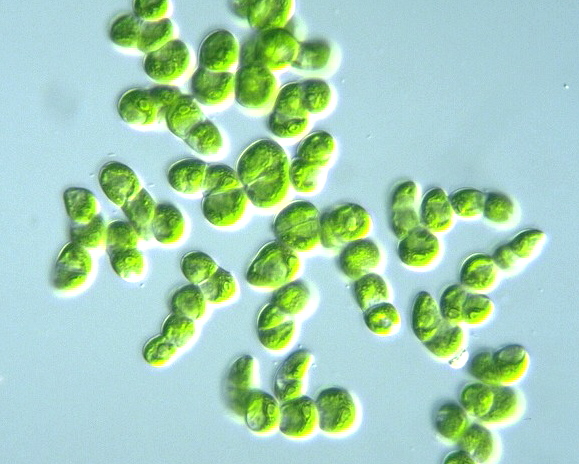
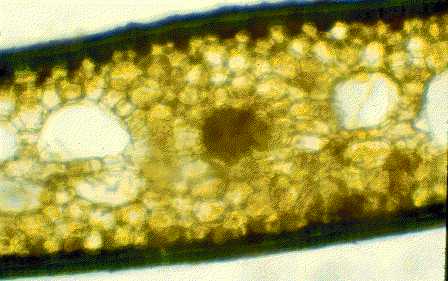

Both unicellular and multicellular types of body plans are found in kingdom protista.
ome protists are autotrophs and produce their own food from sunlgiht. For example, euglena is an autotroph that contains chlorophyll with other photosynthetic pigmets that allows it to produc its own food.
Other protists are heterotrophs and feed from an outside source of nutrition. For example, protoza obtains nutrition by ingesting other organisms or dead organic materials
Protists undergo intracelluar digestion. They engulf the food in their cell membrane, and a section of their membrane pinches off to become a food vacuole inside the cell. This process is called phagocytosis.
Simple organisms as protists do not have specialized clles that make up a nervous, circulatory, or respiratory system. Protists depend on diffusion to to move waste and nutrients in and out of cell.
Protists can reproduce asexually through mitosis or sexually through conjugation in ciliates.
Stentor 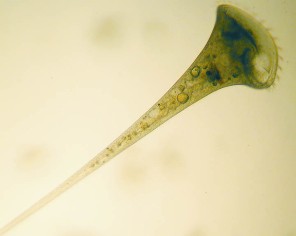 | Spirogyra 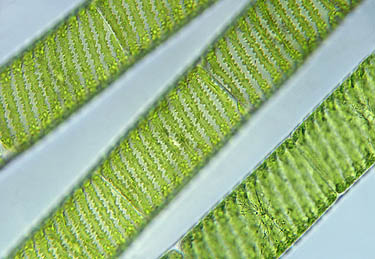 |
Pictures citation:
http://www.occc.edu/biologylabs/documents/Zoo/Cilophora.htm
http://www.allposters.com/-sp/Euglenophyta-Freshwater-Species-Posters_i4015992_.htm
http://www.glerl.noaa.gov/seagrant/GLWL/Algae/Chlorophyta/Cards/Gongrosira.html
http://bennettkids.homestead.com/algae.html
http://uwf.edu/jcaffrey/Rhodophyta.htm
http://simple.wikibooks.org/wiki/File:Protist_collage.jpg
http://www.microscopy-uk.org.uk/mag//wimsmall/green.html
http://biology.unm.edu/ccouncil/Biology_203/Summaries/Protists.htm

